
Premature filter fouling is rarely just a filter problem. When differential pressure rises faster than expected, element life shortens, or changeouts become more frequent, the filter may be revealing a change in the process, or a mismatch between the contaminant and the filtration arrangement.
The condition of a fouled element can provide valuable clues. What is building up, where it is accumulating, how quickly it formed, and whether the element is wet, blinded, unevenly loaded, or damaged can all help identify what is driving the problem.
Understanding the source and characteristics of the contamination – and how it is reaching the filter – is the first step toward selecting the right filtration approach, extending element service life, and reducing unnecessary maintenance and changeouts.
Fouling Patterns: Causes, What to Look for, and What to Do
The condition of the used element often provides an important clue. Surface deposits, wet media, uneven loading, or damage around the seals can point to different causes.
| Fouling pattern or related failure | Common source of failure | What operators may see | What to review |
| Surface caking or blinding | Rust, scale, sand, catalyst fines | Rapid rise in differential pressure | Solids loading, prefiltration, and media capacity |
| Depth loading | High volume of fine particles | Gradual increase in differential pressure | Dirt-holding capacity and element construction |
| Wetting or flooding | Hydrocarbon, water, glycol, or oil aerosols | Wet element or restricted gas flow | Coalescing, separation, drainage, and liquid loading |
| Sticky coating | Wax, polymer, salts, or process chemicals | Reduced open flow area | Media compatibility and contaminant behavior |
| Bypass or element damage | Excessive velocity, poor support, or installation issues | Downstream contamination | Seals, supports, construction, and flow distribution |
Where Is the Buildup Coming From?
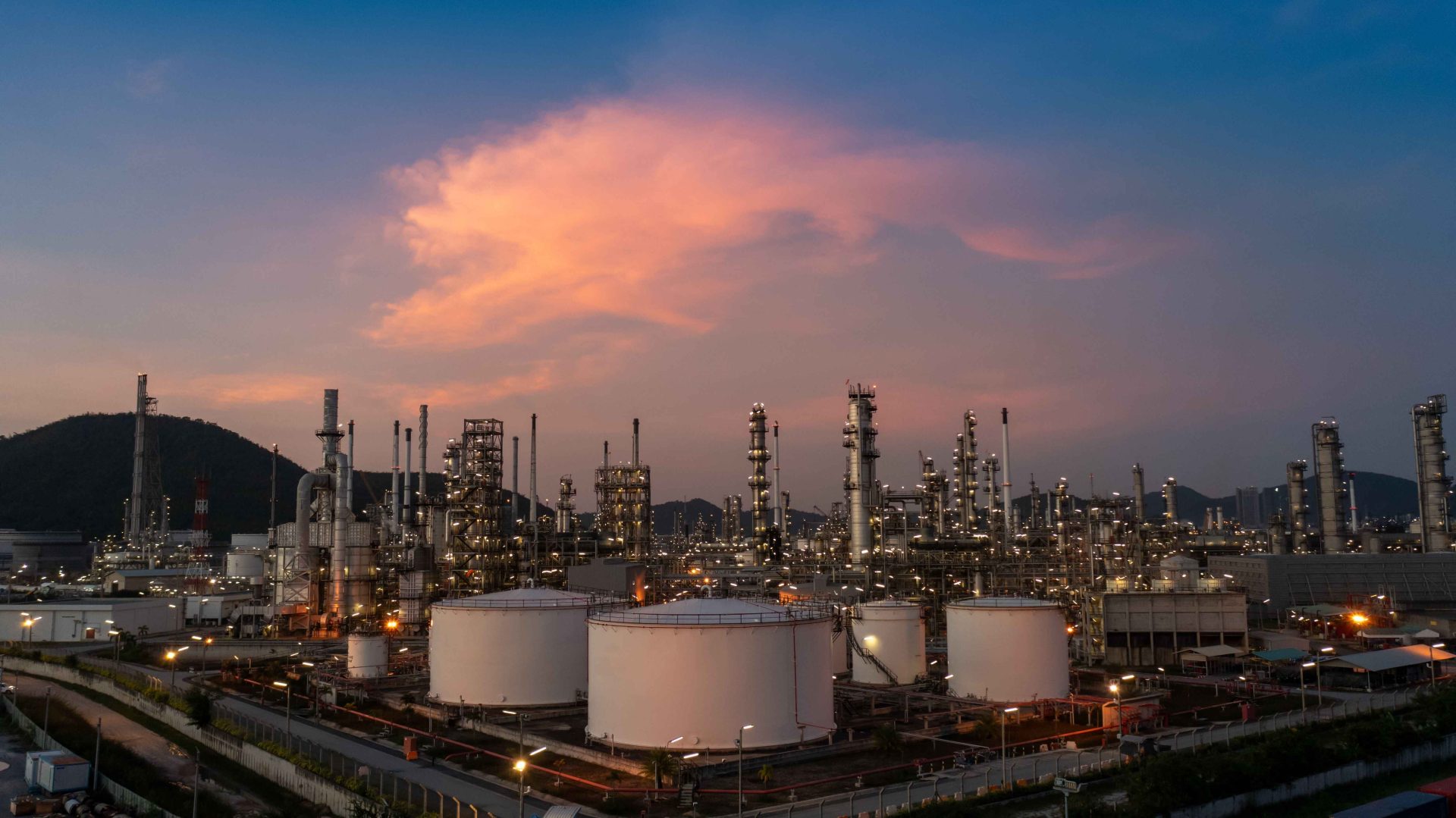
![Alt text: Petrochemical oil refinery]](https://www.cleanova.com/wp-content/uploads/2026/08/petrochemical-oil-refinery-2026-03-18-05-01-23-utc-1-600x400.jpg)
Once the fouling pattern is understood, the contamination source becomes the next area of attention.
Oil and gas sources: In oil and gas systems, solids may enter from production flow, sand, corrosion, pipe scale, or maintenance activity. Liquid contamination may include hydrocarbon condensate, water, compressor oil, glycol, or fine aerosols.
Chemical processing sources: Chemical processing systems can introduce precipitated salts, catalyst fines, polymers, waxy material, and degraded process chemicals. Temperature changes and chemical changes can also create new deposits within the process.
Upstream equipment: A blocked drain, damaged separator, deteriorating vessel lining, or poor flow distribution can increase the load reaching the element.
Operating changes: Fouling that begins after a throughput increase, equipment modification, process change, or chemical injection adjustment deserves a closer review of the current operating conditions.
Spent-element evidence: Deposit color, texture, location, and moisture content may help distinguish solid loading from liquid carryover or chemical coating.
Make Sure the Filtration Arrangement Is Right for the Contaminant
Selecting the filtration technology that matches the contaminant is an important part of controlling fouling.
Micron rating is only one consideration in filter selection. Particle size distribution, contaminant concentration and characteristics, flow rate, downstream protection requirements, media construction, and upstream filtration all influence how quickly an element will foul.
The contaminant phase is an important factor in selecting the filtration technology. Particulate filters remove solid contamination from gas or liquid streams. Coalescing filters capture entrained liquid aerosols and fine mist. Separators manage bulk liquid and larger droplets. Mist eliminators remove entrained droplets from gas streams. Each technology has a defined role in the system.
Staged filtration can give each element a manageable duty. An upstream particulate filter can remove solids before the stream reaches a coalescer. In liquid service, a depth or high-capacity cartridge can distribute suspended solids through the media and extend operating time.
Water vapor requires a separate evaluation from liquid water carryover. Coalescing elements capture entrained droplets. Vapor-phase water may require dehydration or another treatment process.
Media construction also affects fouling rate. Pleated elements provide a large capture area. Depth media distributes contamination through the element. The selected material must suit the process fluid, temperature, pressure, and chemistry.
What Operating Changes Can Shorten Element Life?
A system can begin fouling early after a change in normal operation. Flow may have increased. Temperature may have fallen. Viscosity may have risen. Water or liquid loading may have changed. An upstream separator may have developed a drainage problem.
Chemical injection can also affect contaminant behavior. In amine and glycol circuits, contamination may contribute to foaming and fluid-quality problems. These changes can alter the load reaching the filter and the way deposits form.
What to Record Before Replacing the Element
A useful maintenance record includes:
- Clean differential pressure
- Normal operating differential pressure
- Flow rate and temperature
- Contaminants found during changeout
- Time in service
- Reason for replacement
A trend across the full service interval can show whether fouling developed gradually or followed a process event. A sudden increase after a throughput change points toward a different investigation from a gradual rise caused by normal solids loading.
When Should the Replacement Specification Be Reviewed?
 A replacement element is most effective when its specification reflects the current filtration duty. A specification based on earlier flow, contamination, temperature, viscosity, or liquid-loading assumptions may no longer suit the plant.
A review of the replacement specification becomes especially valuable when:
- Throughput has increased
- The process is producing more water or liquid
- Temperature or viscosity has changed
- Chemical injection has been adjusted
- Upstream separation or drainage has deteriorated
- The service interval has shortened
- Fouling began after a process or equipment change
The review usually includes the current stream, housing, element dimensions, differential-pressure history, contaminant loading, and maintenance records.
The resulting change may involve different media, a higher-capacity element, an additional prefilter, improved drainage, or a revised filtration sequence. These decisions can extend service life and reduce unplanned maintenance.
A replacement review also helps prevent the same specification from being repeated after the process has moved beyond its original design basis.
How Cleanova Supports Filter Fouling Diagnosis and Filtration Selection
At Cleanova, we do not view premature filter fouling as simply an element replacement problem. A filter is often telling you something about the process.
A rapid increase in differential pressure, uneven loading, wet media, recurring liquid carryover or a shortened service interval can point to changes upstream of the filter, or to a filtration arrangement that is no longer matched to the application. That is why effective fouling diagnosis starts with the process, the contaminant and the filtration duty, not simply the micron rating of the replacement element.
Cleanova’s application engineers evaluate the evidence available from the field, including spent elements, differential-pressure trends, flow conditions, temperature, contaminant characteristics, housing and element configuration, and maintenance history. From there, the objective is to identify what is driving the fouling and determine whether the filtration arrangement can be improved.
Depending on the application, the answer may be a different media construction, greater dirt-holding capacity, particulate prefiltration, gas or liquid coalescing, improved liquid separation or drainage, or a revised filtration sequence. In some cases, the most effective solution is not a different element at all, it is addressing the process condition that is overloading the filter.
This application-focused approach helps customers move beyond repeatedly replacing a filter that fouls for the same underlying reason. The goal is a filtration arrangement matched to the actual operating conditions and contaminant load, helping extend element service life, protect downstream equipment and reduce avoidable maintenance.
With filtration expertise spanning multiple technologies and demanding industrial applications, Cleanova can evaluate the filtration duty as a system rather than treating each filter as an isolated component.
Stop Treating Premature Fouling as a Replacement-Filter Problem
When a filter is fouling sooner than expected, the answer is not always a filter with the same specification, or even a filter with a higher capacity. The more useful question is why the filter is being overloaded in the first place.
By looking at the fouling pattern, contaminant characteristics, process conditions and filtration arrangement together, Cleanova helps oil & gas and chemical processing operators identify opportunities to improve filtration performance and extend element service life.
If premature fouling is driving unnecessary changeouts, rising differential pressure or downstream contamination, talk with Cleanova about the filtration duty, not just the replacement filter.